
Understanding EU AI Regulation Course: Navigating the Future of Artificial Intelligence in Europe

Artificial intelligence is reshaping industries and redefining how businesses operate. But with great innovation comes great responsibility. The European Union has taken a proactive stance by introducing comprehensive regulations to ensure AI technologies are safe, ethical, and transparent. If you want to stay ahead in this evolving landscape, understanding these regulations is crucial. That’s where an EU AI regulation course becomes invaluable.
Why You Should Consider an EU AI Regulation Course
The EU AI Act is one of the most ambitious regulatory frameworks globally. It aims to create a harmonised approach to AI governance across member states. But what does this mean for your company or career?
Compliance is non-negotiable: The Act imposes strict requirements on AI systems, especially those considered high-risk.
Risk management is key: You need to understand how to identify, assess, and mitigate AI risks.
Transparency and accountability: These principles are at the heart of the regulation, affecting how AI systems are developed and deployed.
Competitive advantage: Early adopters of AI literacy and compliance will lead the market.
An EU AI regulation course offers you a structured way to grasp these concepts. It breaks down complex legal language into practical knowledge you can apply immediately.

What the EU AI Regulation Course Covers
A well-designed course will cover the following core areas:
1. Overview of the EU AI Act
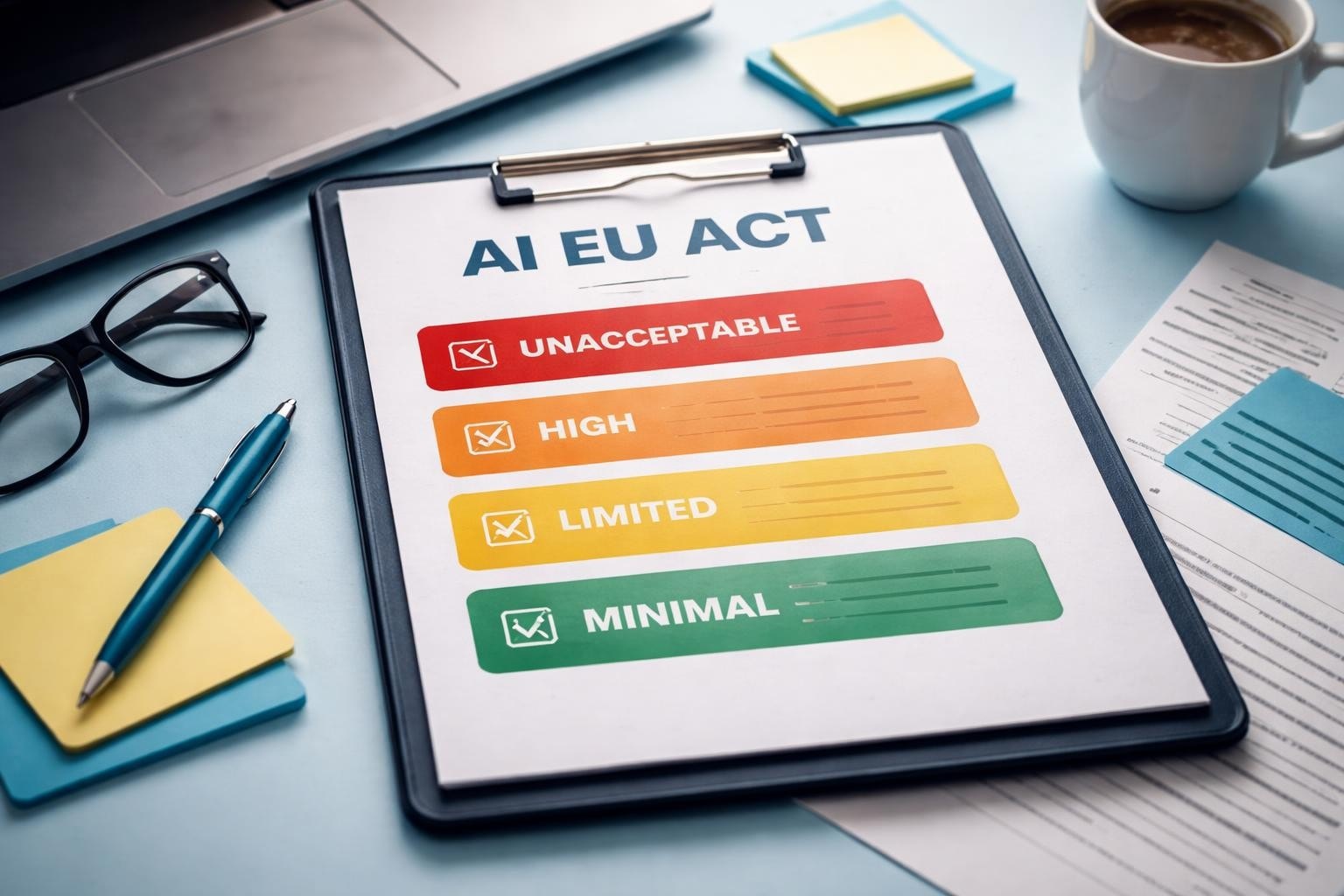
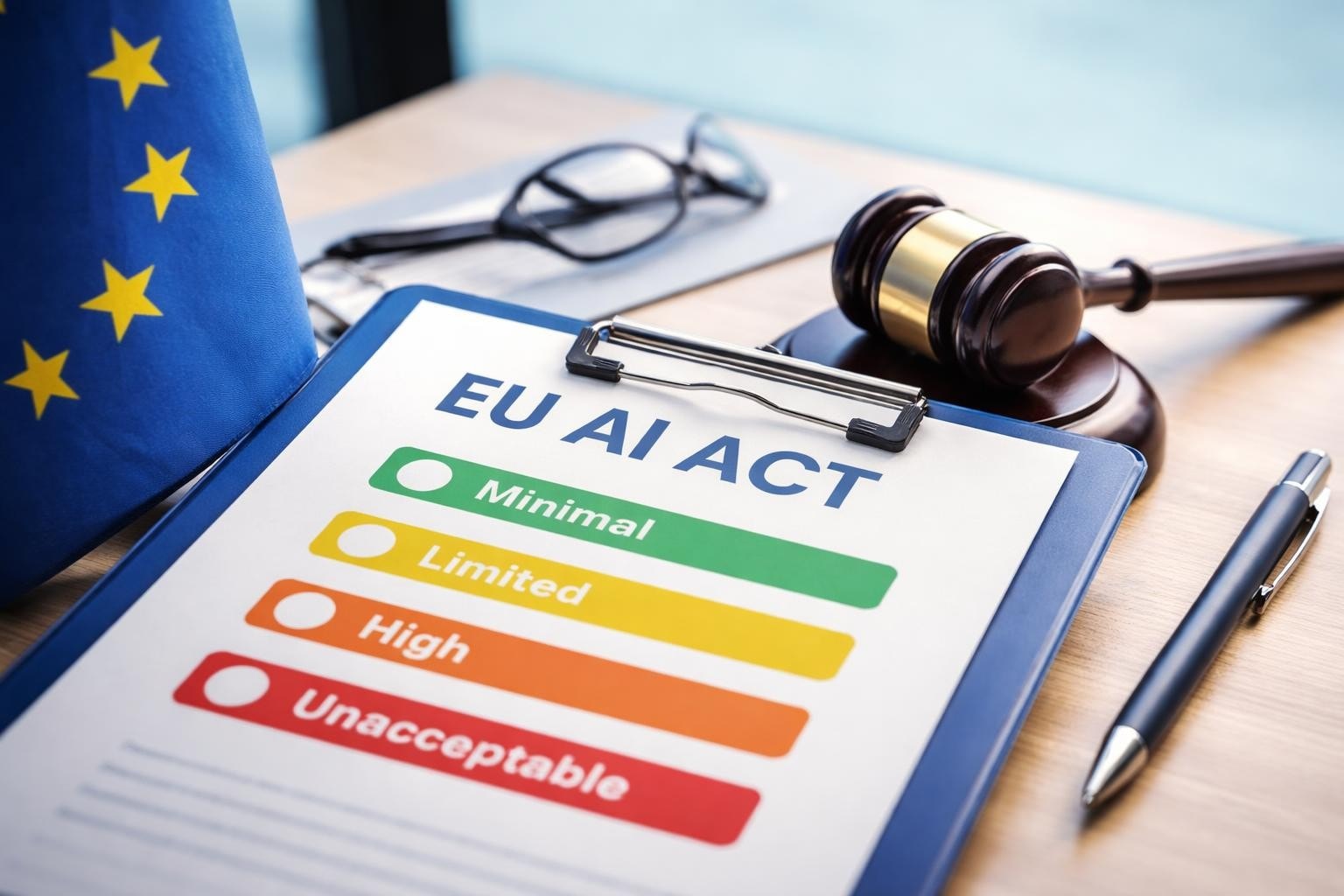
You will learn about the scope and objectives of the regulation. This includes understanding the classification of AI systems into categories such as:
Unacceptable risk AI (banned outright)
High-risk AI (subject to strict requirements)
Limited risk AI (transparency obligations)
Minimal or no risk AI (mostly unregulated)
2. Key Requirements for High-Risk AI Systems
The course will dive into the specific obligations for high-risk AI, including:
Data governance and quality standards
Documentation and record-keeping
Transparency and user information
Human oversight mechanisms
Robustness, accuracy, and cybersecurity
3. Compliance and Enforcement
You will explore how compliance is monitored and enforced, including:
The role of national supervisory authorities
Penalties for non-compliance
The conformity assessment process
4. Practical Implementation Strategies
Understanding the regulation is one thing; applying it is another. The course will provide actionable guidance on:
Integrating compliance into AI development lifecycles
Conducting risk assessments and audits
Training teams on ethical AI use
Preparing for regulatory inspections
This comprehensive approach ensures you not only understand the law but can also implement it effectively.
How the EU AI Regulation Course Benefits Your Organisation
For companies with multinational teams, navigating the EU AI Act can be daunting. This course helps by:
Aligning teams across borders: Everyone gains a shared understanding of regulatory expectations.
Reducing legal risks: Proactive compliance avoids costly fines and reputational damage.
Enhancing innovation: Clear guidelines enable confident AI experimentation within legal boundaries.
Building trust with customers and partners: Demonstrating compliance signals responsibility and reliability.
Moreover, the course often includes case studies and real-world examples, making the learning experience relevant and practical.

Practical Tips for Maximising Your Learning Experience
To get the most out of an EU AI regulation course, consider these recommendations:
Engage actively: Participate in discussions and ask questions to clarify complex points.
Apply knowledge immediately: Use your current projects as case studies to test your understanding.
Collaborate with colleagues: Share insights and develop compliance strategies together.
Keep updated: AI regulation is evolving; stay informed about amendments and new guidelines.
Leverage additional resources: Supplement your learning with whitepapers, webinars, and official EU documents.
By following these steps, you ensure that the course translates into tangible benefits for your organisation.
Looking Ahead: Preparing for the Future of AI Regulation
The EU AI Act is just the beginning. As AI technologies evolve, so will the regulatory landscape. Taking an ai in europe regulation course positions you to adapt quickly and confidently.
Remember, the goal is not just compliance but fostering a culture of responsible AI use. This mindset will empower your teams to innovate ethically and sustainably.
Investing time in understanding AI regulation today will pay dividends tomorrow. It’s an essential step for any company or professional aiming to thrive in the AI-driven economy.
By embracing the knowledge and skills offered in an EU AI regulation course, you equip yourself and your organisation to meet the challenges and opportunities of AI head-on. The future is here - are you ready to navigate it?

Comments